Tunisia Travel Guide
Everything you need to know before you go
🚕 Transportation in Tunisia
Getting around Tunisia is relatively easy with various transportation options available to suit different budgets and preferences.
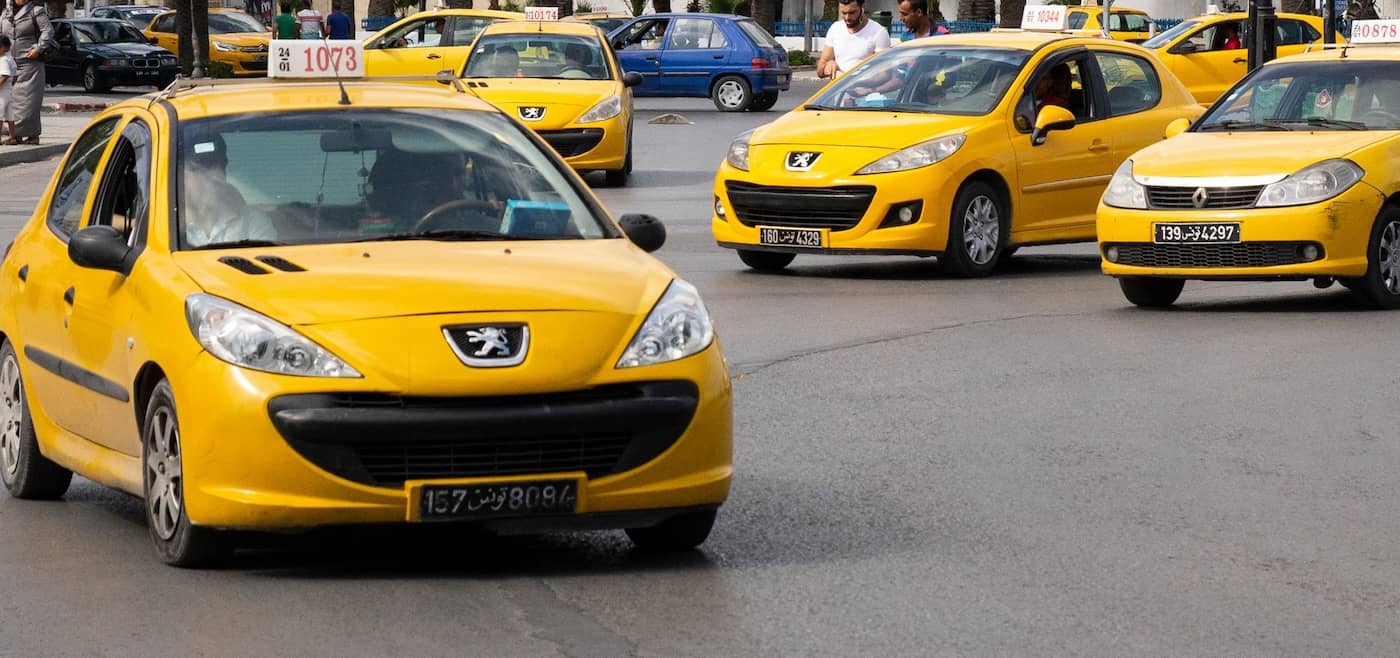
Taxis
White taxis with meters are widely available in cities. Always ensure the meter is running. For longer distances, negotiate the fare beforehand. Ride-sharing apps like Uber and Careem operate in major cities.
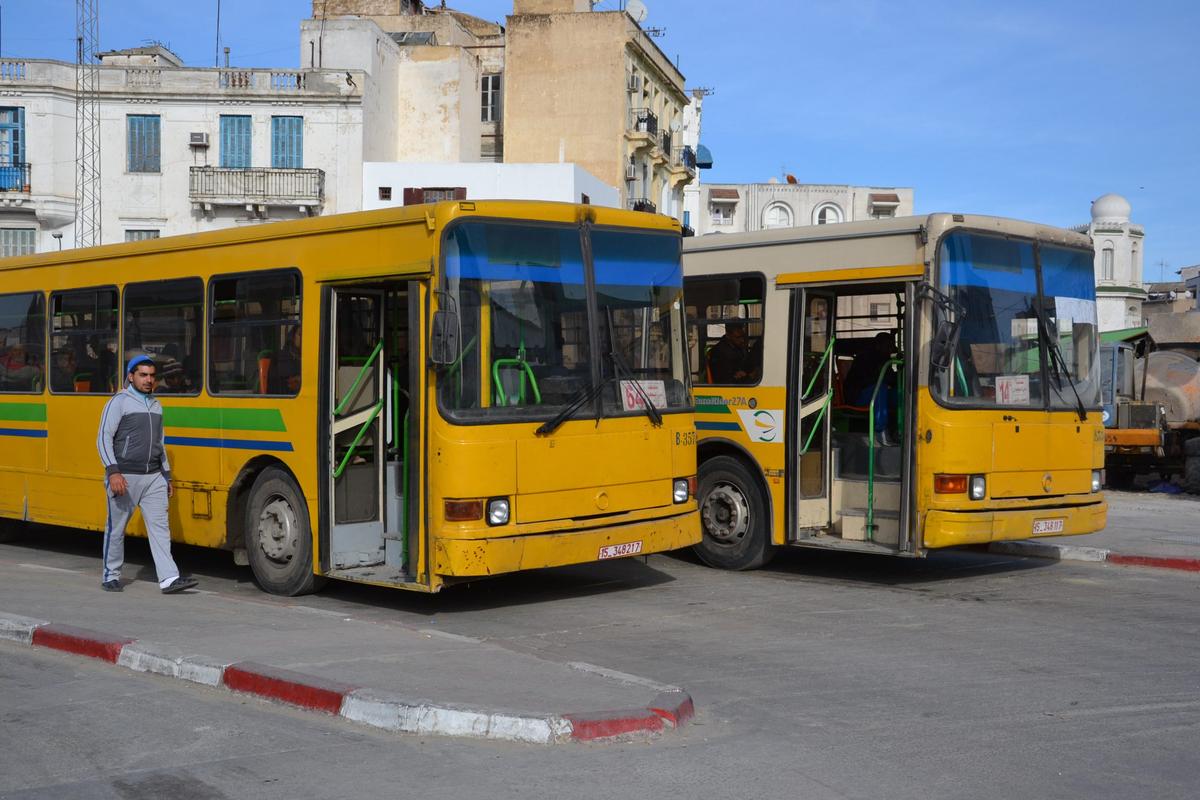
Public Transport
Buses and minibuses (louages) connect cities and towns. They are affordable but can be crowded. Trains operate between major cities like Tunis, Sousse, and Sfax.
Car Rental
International car rental companies operate at airports and city centers. You need an international driving permit and must be at least 21 years old. Roads are generally well-maintained.
Compare Rental Prices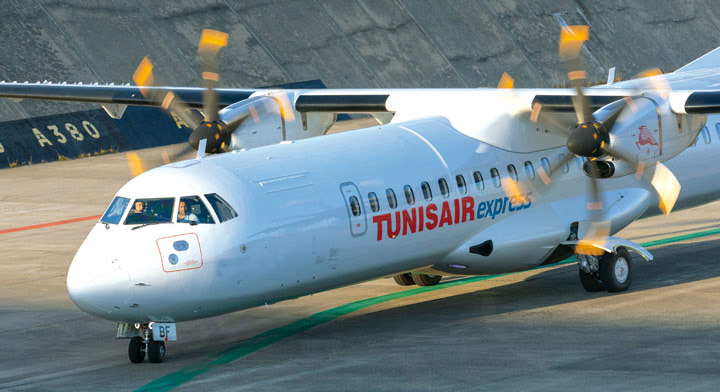
Domestic Flights
Tunisair and other airlines offer domestic flights between major cities. Useful for covering long distances quickly.
⚠️ Safety & Scams to Avoid
Tunisia is generally safe for tourists, but like any destination, it's important to be aware of common scams and safety tips.
Common Scams
Avoid unofficial guides offering "special deals". Don't change money on the street. Be cautious of overly friendly strangers offering help - they may expect payment. Verify taxi fares before getting in.
Safety Tips
Keep copies of important documents separate from originals. Avoid displaying expensive jewelry or electronics. Use hotel safes for valuables. Stick to well-lit areas at night. Travel in groups when possible.
Emergency Numbers
Police: 197 | Fire: 198 | Ambulance: 190 | Tourist Police: +216 71 341 250
Health & Hygiene
Tap water is generally safe in cities but drink bottled water in rural areas. Eat at busy restaurants with high turnover. Get travel insurance before your trip.
🍲 Must-Try Tunisian Dishes
Tunisian cuisine is a delicious blend of Mediterranean and North African flavors. Don't miss these iconic dishes during your visit.
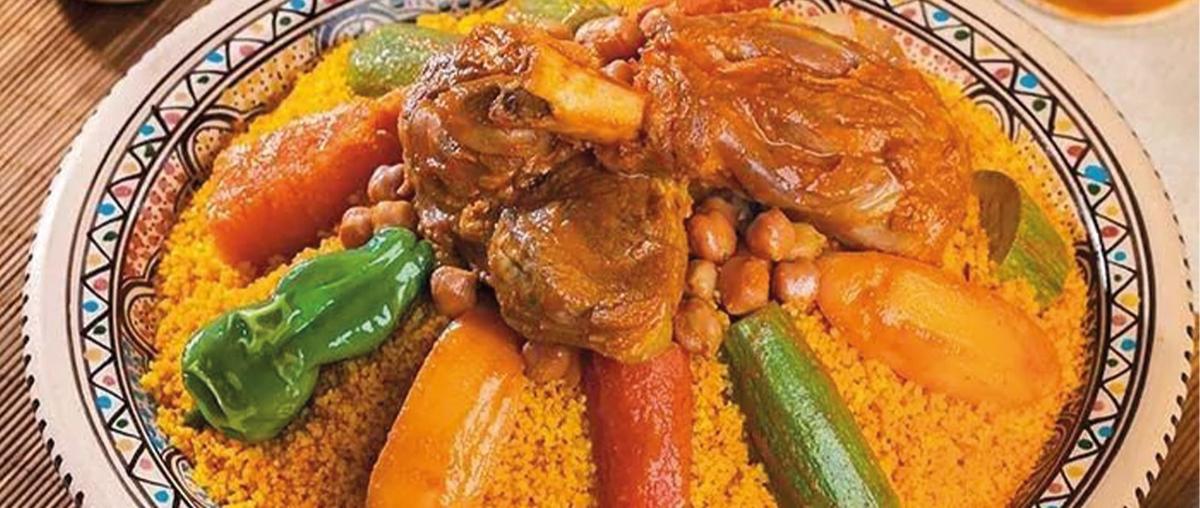
Couscous
Steamed semolina served with vegetables, meat, and flavorful broth. Tunisia's national dish.
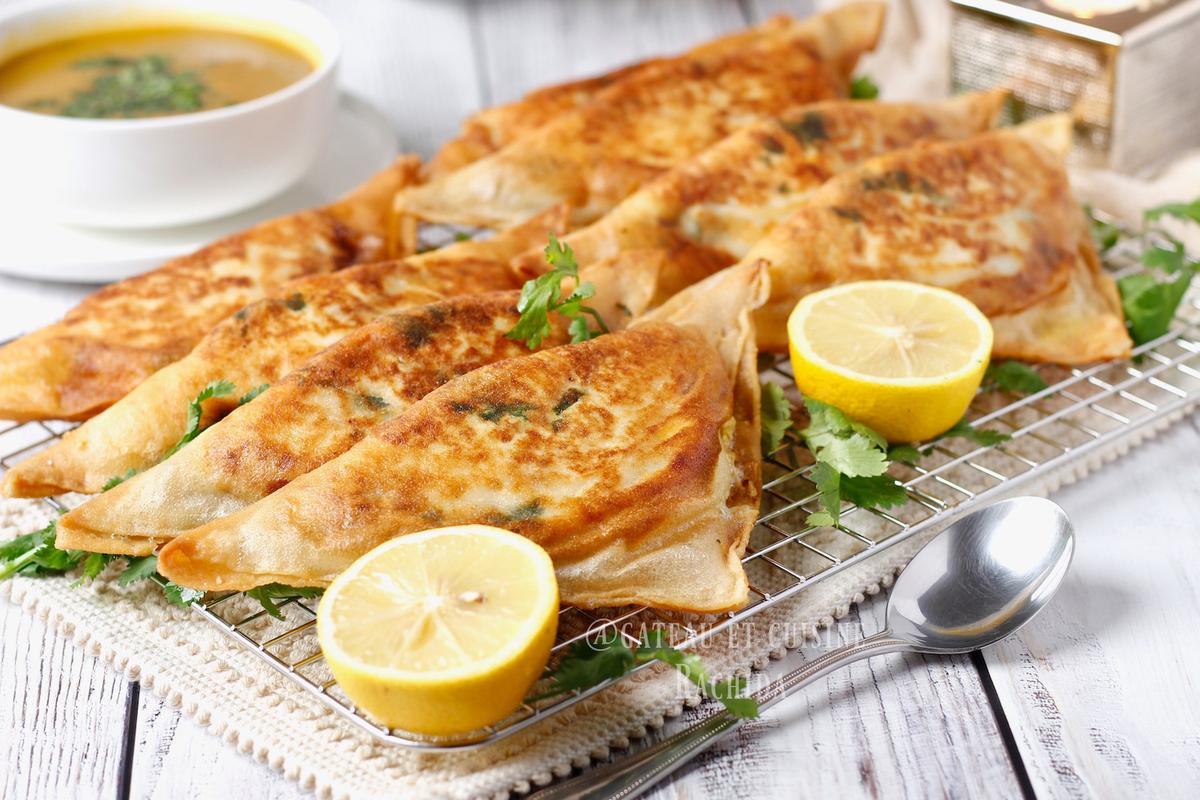
Brik
Crispy pastry filled with egg, tuna, or meat. A popular appetizer and street food.

Harissa
Spicy red chili paste used in many dishes. Adds authentic Tunisian heat and flavor.
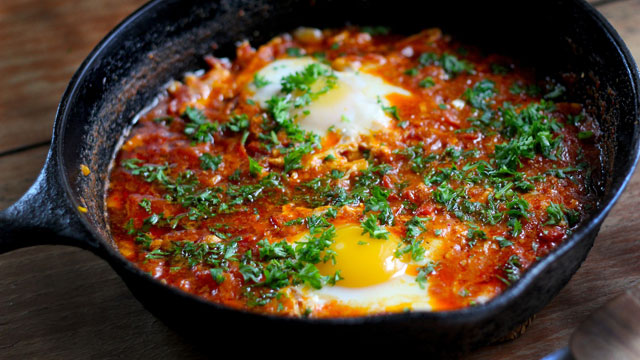
Shakshuka
Eggs poached in spiced tomato sauce. Perfect for breakfast or light dinner.

Tajine
Slow-cooked stew with meat, vegetables, and dried fruits. Sweet and savory combination.
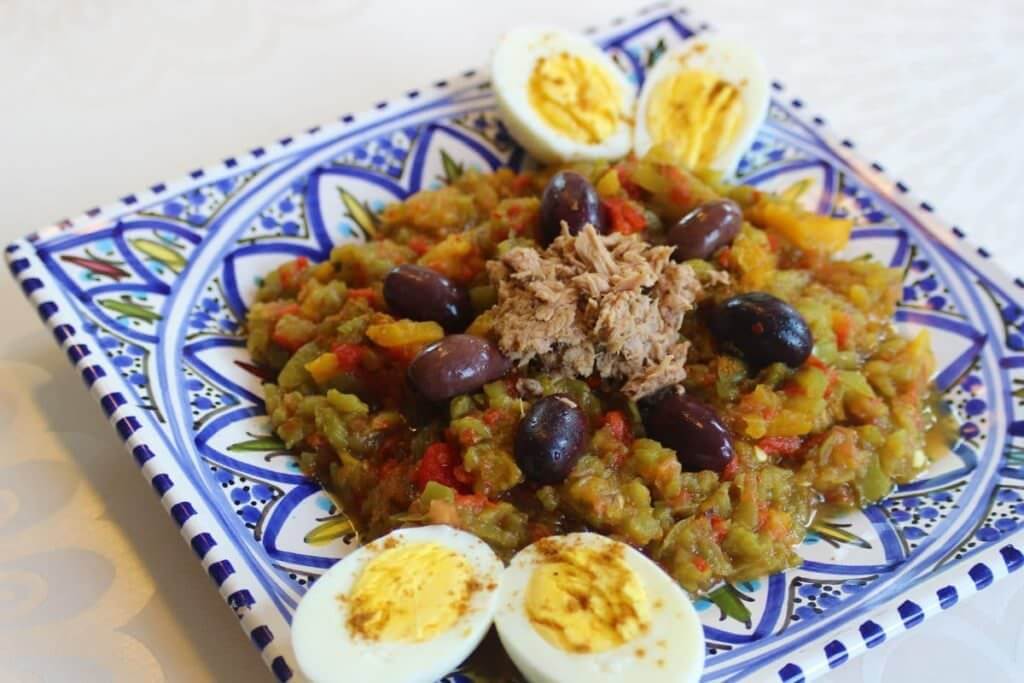
Mechouia
Grilled vegetable salad with olive oil and harissa. Fresh and flavorful.
Lablabi
Hearty chickpea soup poured over torn bread, topped with harissa, olive oil, cumin, and a soft egg. The ultimate Tunisian comfort food, especially in winter.
Fricassé
Small deep-fried sandwiches stuffed with tuna, olives, harissa, and boiled egg. Costs under 1 TND. The quintessential Tunisian street snack.
Bambalouni
Ring-shaped fried doughnuts dusted with sugar while still hot. Sold on beaches and street corners. A beloved Tunisian treat.
Makroudh
Semolina pastry stuffed with date paste, deep-fried and soaked in honey syrup. Kairouan produces the finest makroudh in the country.
Merguez
Spicy lamb or beef sausages grilled over charcoal. Served in sandwiches or alongside couscous. A North African staple.
Mloukhia
Slow-cooked jute leaf stew with beef, served over bread or with rice. A traditional Tunisian family dish with a distinctive dark green color and rich, earthy flavor.
💰 Money & Costs
Tunisia offers excellent value for money compared to European destinations.
💱 Tunisian Dinar (TND)
ATMs are widely available. Credit cards accepted in hotels and restaurants. Haggling is common in souks. Tipping 10% is customary.
Cost Breakdown
🌡️ Weather & Best Time to Visit
Tunisia has a Mediterranean climate with hot, dry summers and mild winters.
Spring (March-May)
Weather: Mild, 15-25°C. Perfect for sightseeing.
Activities: Hiking, exploring medinas, beach visits
Summer (June-August)
Weather: Hot and dry, 25-35°C. Beach season.
Activities: Swimming, water sports, desert tours
Autumn (September-November)
Weather: Warm, 20-28°C. Fewer tourists.
Activities: Cultural tours, hiking, beach relaxation
Winter (December-February)
Weather: Cool, 8-15°C. Occasional rain.
Activities: City tours, museums, local markets
✨ April-May and September-October offer the best weather and fewer crowds.
Practical Travel Tips
📱 SIM Cards & Internet
Buy a tourist SIM card at Tunis-Carthage Airport (Ooredoo, Tunisie Telecom, or Orange). Cost: 20-30 TND for 10-20 GB of data valid for 30 days. Wi-Fi is available in most hotels and cafes. 4G coverage is good in cities, limited in the Sahara. Download offline maps before heading south.
💵 Tipping Culture
Tipping is not mandatory but appreciated. Restaurants: 10-15% if service is not included. Cafes: round up to the nearest dinar. Hotel porters: 2-3 TND. Tour guides: 10-20 TND per day. Taxi drivers: round up the fare. Hammam attendants: 5-10 TND.
🛍️ Haggling in the Souks
Haggling is expected in souks and markets. Start at 50% of the asking price and aim for 60-70% of the original. Stay friendly and smiling throughout. If the seller won’t budge, walk away — they will often call you back. Fixed prices apply in supermarkets, restaurants, and modern shops. Never haggle for food.
👗 What to Wear
Tunisia is liberal but respectful. Beaches/resorts: swimwear is fine. Cities: cover shoulders and knees for both genders when walking the medina. Mosques: remove shoes, women should cover head and arms (scarves often provided at entrance). Avoid very short clothing in rural areas. Ramadan: dress more conservatively, avoid eating in public during daylight hours.
🌙 Traveling During Ramadan
Ramadan lasts about 30 days (dates change yearly). Local restaurants and cafes close during daylight but tourist hotels remain open and serve food. Avoid eating, drinking, or smoking in public during daytime out of respect. The iftar (sunset breaking of fast) is an extraordinary cultural experience — many restaurants offer special iftar menus. Nightlife picks up after iftar, with cities coming alive until late.
🏥 Health & Vaccinations
No vaccinations are mandatory for Tunisia. Recommended: Hepatitis A and Typhoid. Malaria is not a risk. Tap water is safe in cities but most people prefer bottled water (0.5 TND for 1.5L). Pharmacies are well-stocked and widely available — many medications that require prescriptions elsewhere are sold over-the-counter. Bring sunscreen (expensive locally) and rehydration salts for the south.
❓ Frequently Asked Questions
Do I need a visa to visit Tunisia?
What is the best time to visit Tunisia?
Is Tunisia safe for tourists?
What currency is used in Tunisia?
Do I need vaccinations?
What language is spoken?
Can I drink alcohol in Tunisia?
Can I use credit cards?
Is Uber available in Tunisia?
Do women need to cover their hair?
Is Tunisia safe for LGBTQ+ travelers?
Can I take Tunisian Dinar out of the country?
How much does a typical meal cost?
What should I avoid doing in Tunisia?
Do I need travel insurance?
Is it safe to drive in Tunisia?
Festivals & Events
Tunisia hosts festivals year-round. Plan your trip around these unique cultural events.
Orange Blossom Festival
Mar-AprCelebrate the citrus harvest with parades, music, and flower-decorated floats in the pottery capital of Tunisia.
International Festival of Carthage
Jul-AugTunisia's premier cultural event. World-class music, theater, and dance performances in the ancient Roman amphitheater. Running since 1964.
Tabarka Jazz Festival
JulInternational jazz festival featuring artists from around the world. Intimate performances with the Genoese Fort as backdrop.
International Festival of Hammamet
Jul-AugMusic, theater, and cultural performances in the open-air theater within the medina walls. A magical setting by the sea.
Sousse Summer Festival
Jul-AugConcerts, street performances, and cultural events along the Sousse corniche and in the medina.
Djerba Street Art Festival
Jun-JulInternational street artists transform the village of Erriadh into an open-air gallery. The Djerbahood project grows every year.
Tozeur Oasis Festival
NovCelebrate Saharan culture with traditional music, camel races, date harvest festivities, and Bedouin cuisine.
Douz Sahara Festival
DecThe most famous desert festival in North Africa. Camel racing, traditional Bedouin games, folk music, and Saharan poetry. Running since 1910.
El Ghriba Pilgrimage
May-JunAnnual Jewish pilgrimage to Africa's oldest synagogue during Lag BaOmer. A unique cultural event drawing visitors worldwide.
Mawlid Celebrations
Sep*The Prophet's birthday is celebrated across Tunisia with special pastries (assidat zgougou), street decorations, and family gatherings. Kairouan hosts the largest celebrations.
* Islamic holiday dates change annually based on the lunar calendar.
Currency Converter
1 TND ≈ 0.32 USD | 0.29 EUR | 0.25 GBP
Rates are approximate. Check with your bank for exact rates.